

ETFO Statement: ETFO acknowledges the ongoing impacts of colonization, systemic oppression, and the continuation of harm that many Indigenous people face today, including a rise in residential school denialism, missing and murdered Indigenous women and girls, acts of hate against two spirit-people, and overrepresentation in both the criminal justice and child welfare systems. We also recognize the brilliance of First Nations, Métis, and Inuit community members as they reclaim, revitalize, and reimagine what it means to be Indigenous.
The Native Languages curriculum has not been updated since 2001, well before the Truth and Reconciliation Calls to Action were released. This is an example of how the education system and Ontario government perpetuates injustices and discrimination by a lack of action or prioritization. Reconciliation is action, not just words.
ETFO continues to make space and amplify Indigenous voices by sharing Indigenous concerns with members and supporting them in creating classrooms that embed and celebrate First Nations, Métis, and Inuit perspectives and identities. Still, there is much work to be done.
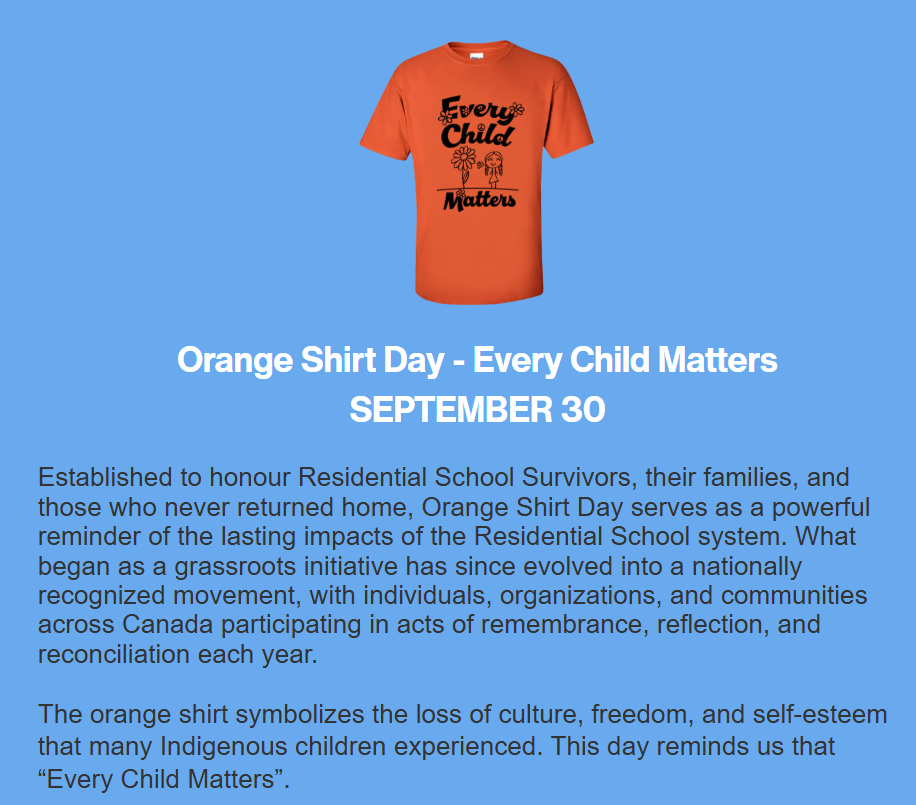
In honour of the National Day for Truth and Reconciliation, ETFO encourages our members and all Canadians to learn, acknowledge, and put reconciliation into action. Here are some ways to start:
| Reading the Truth and Reconciliation Commission’s Calls to Action | Accessing the National Centre for Truth and Reconciliation for resources |
| Reading the Independent Special Interlocutor’s interim report, Sacred Responsibility: Searching for the Missing Children and Unmarked Burials | Reading Reclaiming Power and Place: The Final Report of the National Inquiry into Missing and Murdered Indigenous Women and Girls |
| Exploring UNDRIP United Nations Declaration on the Rights of Indigenous Peoples | Division for Inclusive Social Development (DISD) | The FNMI section of etfo.ca provides important context and links to support a focus on First Nations, Métis, and Inuit worldviews and perspectives. |