
All of the resources made available by PD Day presenters can be found below.
Moving From Power & Control to Collaboration & Problem Solving
Collaborative & Proactive Solutions (CPS) is the evidence-based, trauma-informed, neurodiversity affirming model of care that helps caregivers focus on identifying the problems that are causing concerning behaviors in kids and solving those problems collaboratively and proactively. The model is a departure from approaches emphasizing the use of consequences to modify concerning behaviors. In families, general and special education schools, inpatient psychiatry units, and residential and juvenile detention facilities, the CPS model has a track record of dramatically improving behavior and dramatically reducing or eliminating discipline referrals, detentions, suspensions, restraints, and seclusions. The CPS model is non-punitive, non-exclusionary, trauma-informed, transdiagnostic, and transcultural.
Assessment of Skills and Unsolved Problems: Access Here
Lives In The Balance: Access Here
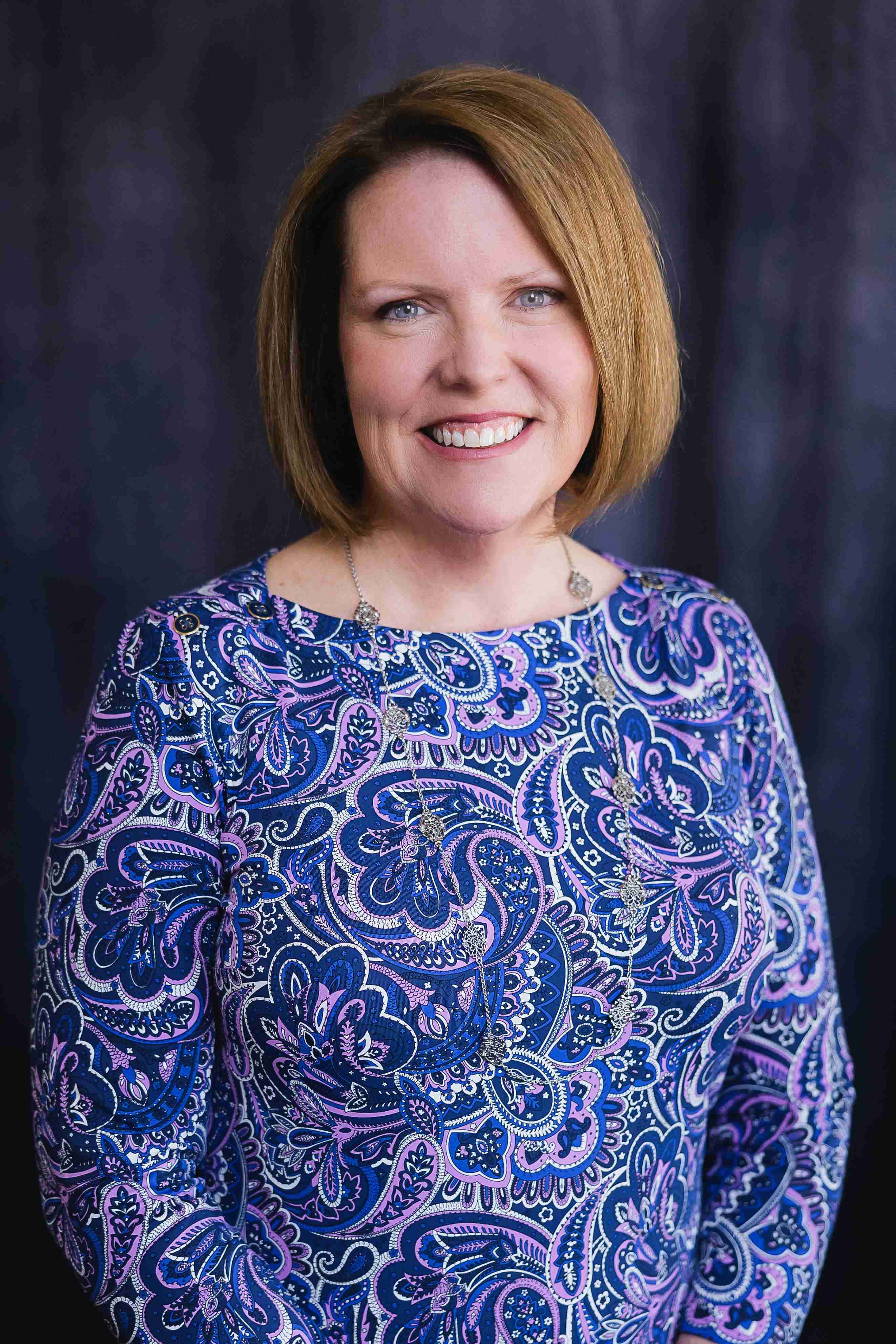
Kim Hopkins, LICSW
Lives in the Balance
Math With Me in Mind: Building Confidence, Identity & Success in Every Student.
For many students, math is intimidating—leading to anxiety, disengagement, and self-doubt. But what if math class could be a place where every student feels confident and capable? This transformative session helps educators rethink how they teach math by focusing on identity, confidence, and a sense of belonging.
Liesl McConchie provides research-backed methods to help students develop strong math skills while fostering a positive self-concept as capable mathematicians.
* Understand the connection between a student’s emotional relationship with math and their academic achievement.
* Learn strategies to reduce math anxiety and create a more inclusive, confidence-boosting math classroom.
* Discover how students form their math identity and how it affects their motivation and achievement.
* Implement engaging, simple strategies to support all students to develop a healthy and positive math identity.
* Cultivate a classroom culture where all students see themselves as capable mathematicians.
HD: https://vimeo.com/1183599255/a24a0ae7de?fl=tl&fe=ec
4K: https://vimeo.com/1183963282/4f97cb58eb?share=copy&fl=sv&fe=ci
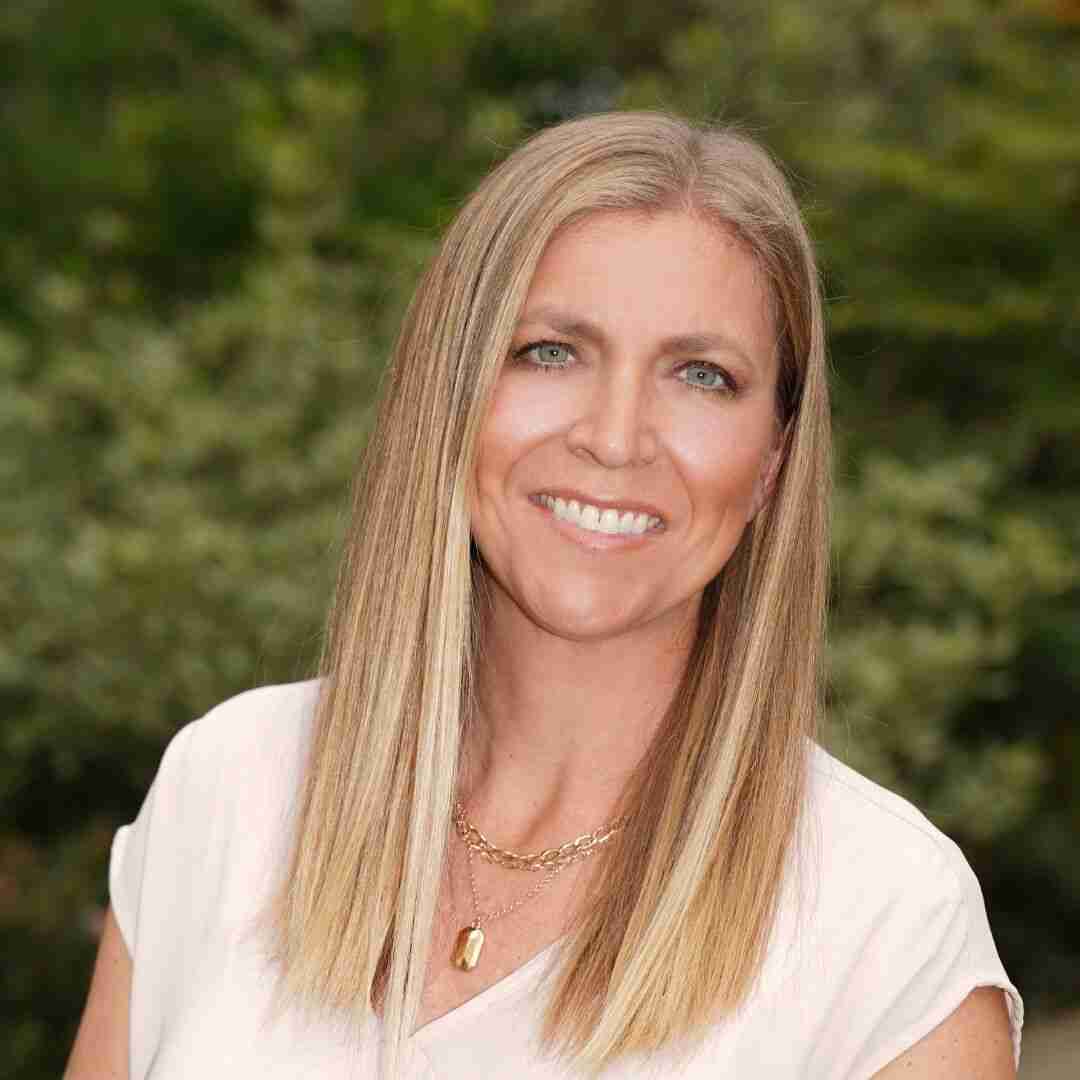
Liesl McConchie
TYS Speakers
Parler et écrire grâce aux livres (M-8e année)
Dans le cadre de la conférence “Jouer et écrire à partir des livres”, Anne-Marie Fortin, consultante en littérature jeunesse et autrice, vous propose une quinzaine de jeux, d’ateliers d’écriture et de situations orales inspirés des livres qui captivent les jeunes. Elle partagera des titres de romans, d’albums, de bandes dessinées et de documentaires qui peuvent servir de déclencheur ou d’inspiration pour créer des jeux ou des ateliers d’écriture passionnants. Grâce à ces exercices d’écriture, les élèves pourront, à l’oral ou à l’écrit, rehausser leurs compétences linguistiques, incluant notamment les interactions orales, le vocabulaire, la phonétique, la compréhension de textes et l’expression écrite.
L’objectif de cette formation pratique : faire plonger les élèves dans l’univers des livres et susciter leur passion… sans même qu’ils sen rendent compte! Prêt à transformer la lecture en une aventure littéraire créative?
Handout 1: Access Here
Handout 2: Access Here
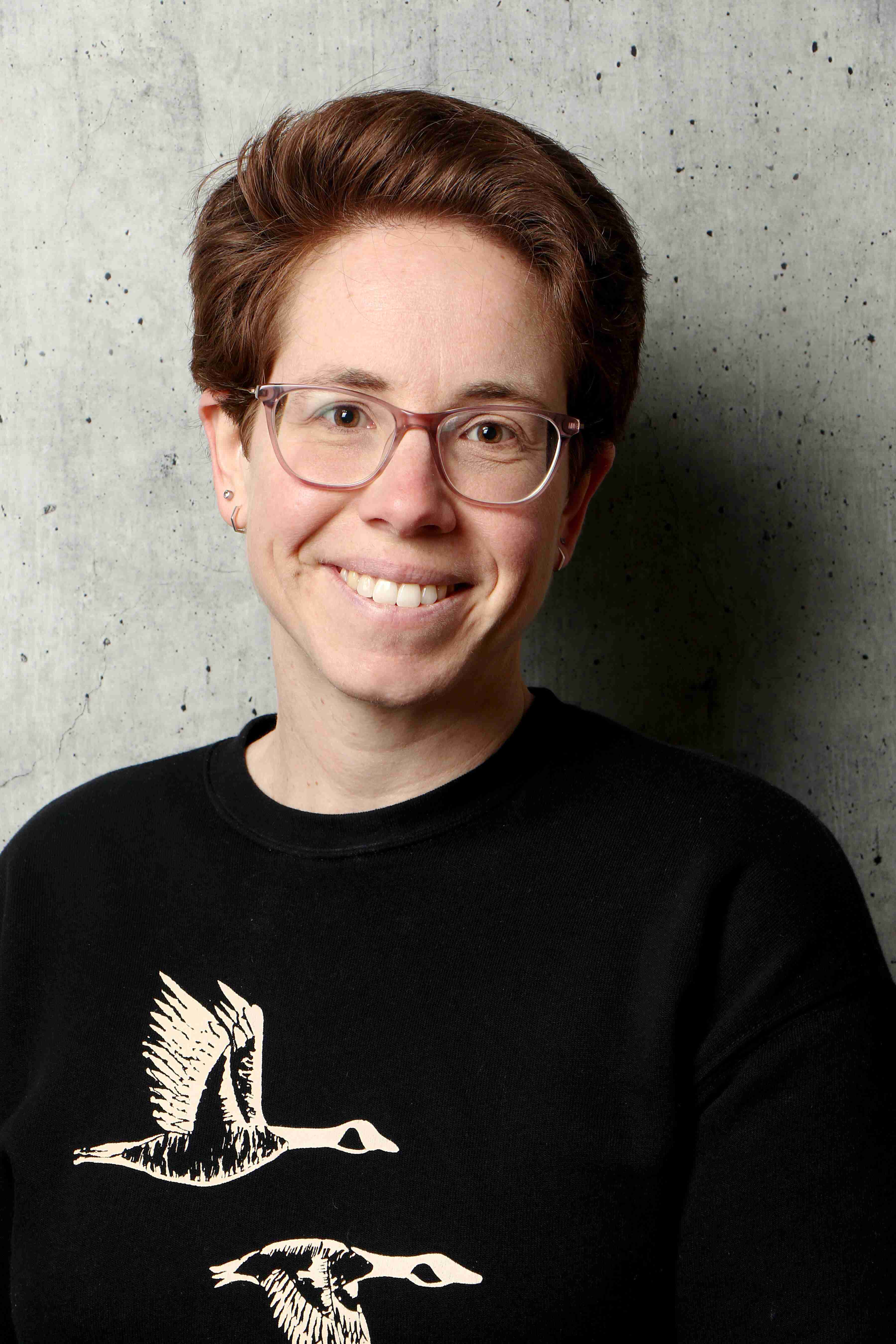
Anne-Marie Fortin
Pouce carré
Regulated & Resilient: A Mindfulness Workshop for Balancing the Educator’s Nervous System
Modern classrooms place continuous demands on attention, emotion, and sensory processing. Over time, this can leave educators feeling overstimulated, depleted, and stuck in a heightened stress response that’s hard to reset during the day.
This practical, science-informed workshop explores how nervous system dysregulation and sensory overload develop in teaching environments, and how mindfulness can interrupt these cycles. Participants gain a clear understanding of how stress shows up in the body, why it escalates, and how to recognize early signs before reactivity takes over.
Blending accessible explanation with hands-on practice, the session equips educators with a simple mindfulness technique they can use immediately, along with brief, realistic strategies for restoring steadiness between classes, during transitions, or after challenging interactions. Attendees leave with tools that support clarity, emotional recovery, and greater resilience throughout the school day, without adding another task to an already full schedule.
Feel Rest Technique: Access Here
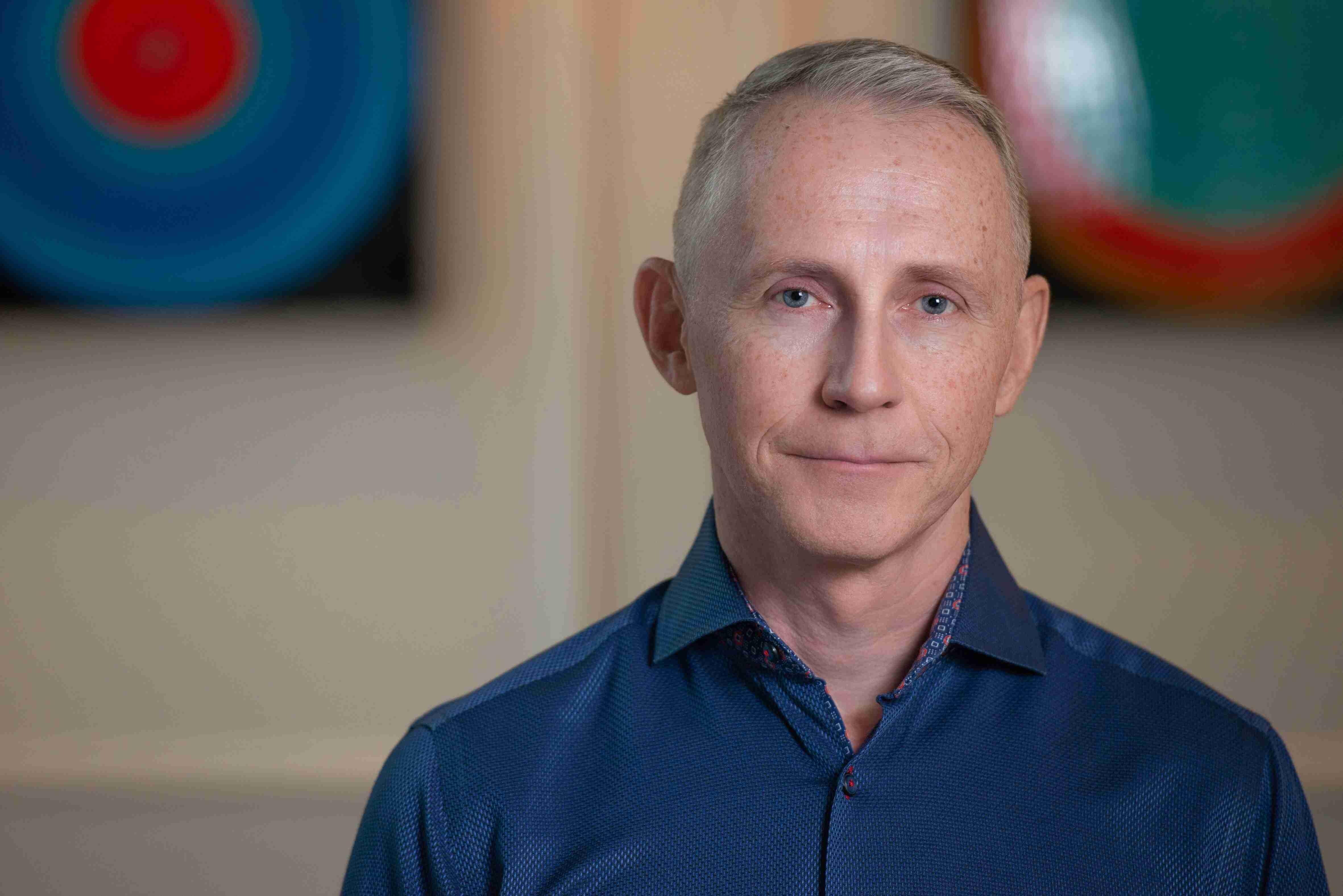
Dr. Brian Dower, DC
Lumen Mindfulness
Dive into River School
The Ottawa River and its tributaries are at the heart of our River School education programs. Our experienced environmental educators bring the river to your classroom and – for students who come to our beautiful Learning Lab at the NCC River House – the classroom is the river (from a safe distance, of course)!
River School integrates the scientific research of Ottawa Riverkeeper’s own community-based monitoring programs with Two-Eyed Seeing, environmental and sustainability education, authentic hands-on learning experiences, and a commitment to collaborative action.
15-minute Documentary Video: “Wìgwàs Chìman – The Birchbark Canoe”:
Indigenous youth and knowledge keeper Pinock Smith build an Algonquin birchbark canoe in partnership with Ottawa Riverkeeper.
English: https://youtu.be/F1hJqqfWis0?si=YzLG8ppDtkC6GbdZ
French: https://youtu.be/2i_G6jG93vg?si=kkXx8ptP_ir1P1ss
Grades 5-12 Teacher’s Guide: Access Here!
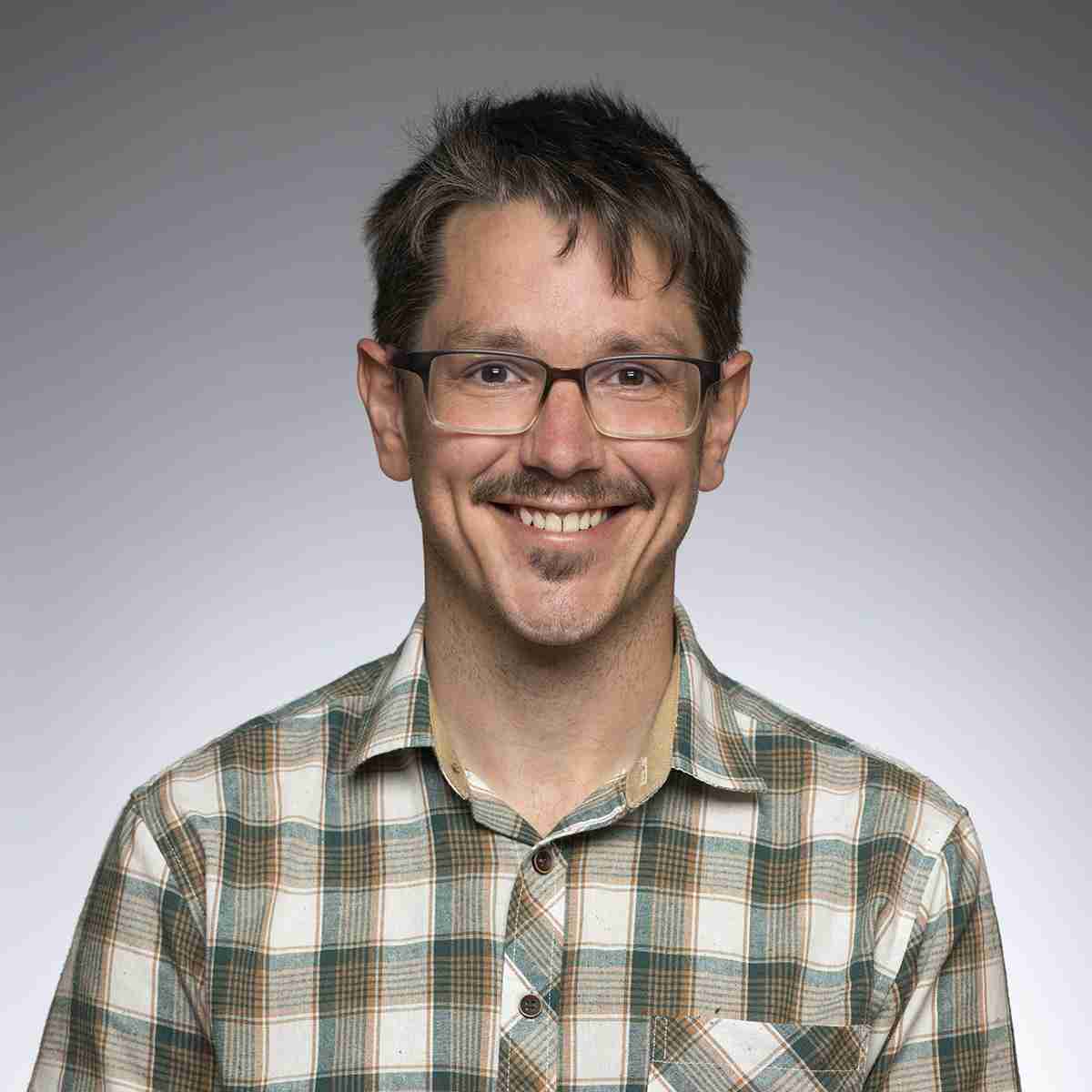
Maxime Chaumont-Lessard
Ottawa Riverkeeper
Beyond the Poster: Using unlearn. to Deepen Critical Thinking and Student Voice
Many OCDSB schools are already using unlearn. posters to spark critical thinking and belonging. But what comes next? This interactive session supports educators in moving from visual engagement to deeper critical thinking, student writing, and meaningful dialogue. Participants will explore strategies for addressing current events and complex conversations in age-appropriate ways while maintaining psychological safety and inclusive classrooms. Through curriculum-linked examples (Language – Oral Communication, Reading, Writing; Social Studies; The Arts), educators will learn how to use unlearn. visuals as inspiration for persuasive, narrative, and reflective writing, media literacy analysis, and inquiry-based discussions. The session models practical discussion protocols that build critical literacy, challenge assumptions, and amplify student voice. Participants will also explore strategies for creating inclusive learning environments where students can show up as their authentic selves and experience a genuine sense of belonging.
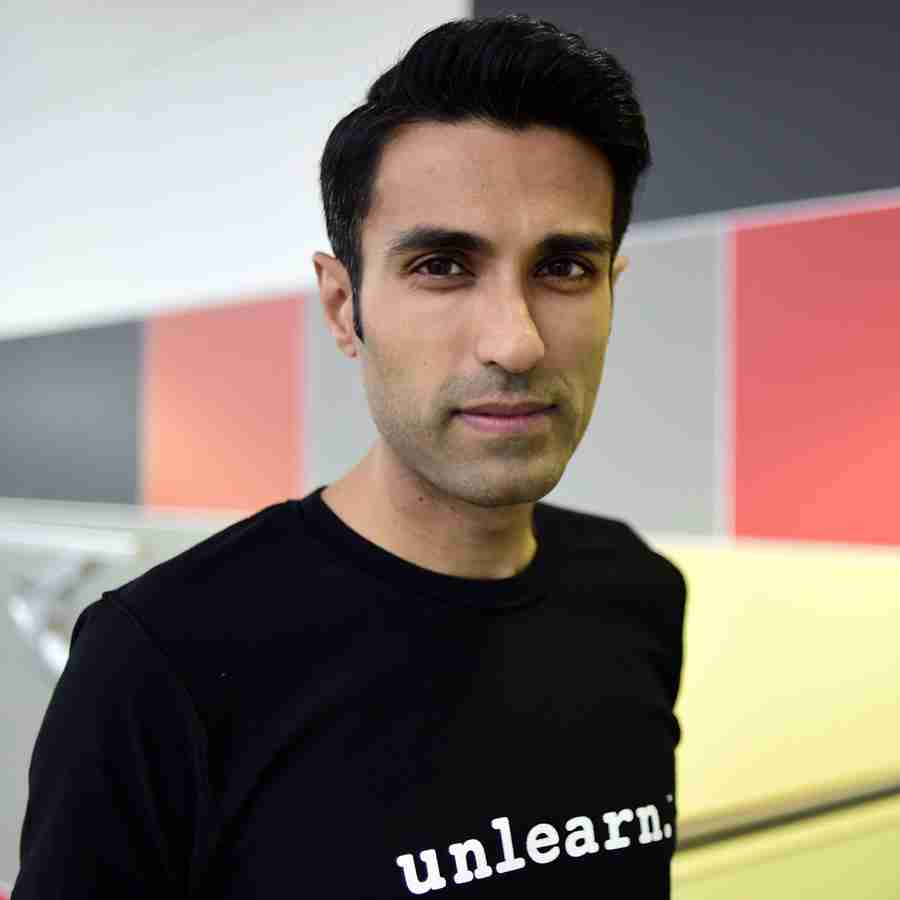
Abhi Ahluwalia
unlearn.
Digital Poster Packs – coming in September!