Sikh Heritage Month
In 2013, April was proclaimed as Sikh Heritage Month by the Legislative Assembly of Ontario (Bill 52). The first of its kind in the world, Sikh Heritage Month is a celebration of arts, culture and heritage. Learn more.

Arab Heritage Month
Arab Heritage Month gives over 1-million Arab Canadians the space to showcase their culture and talents. It also provides the general Canadian public with the opportunity to learn more about the nuanced and diverse experiences and struggles that Arabs from coast-to-coast face. The Canadian Arab Institute provides a variety of digital library resource guides.

Autism Acceptance Month
Autism Acceptance Month recognizes that Autism is more than a diagnosis—it is identity, community, and a lived experience that encompasses both challenges and triumphs.
Autism IS campaign from the Autism Society.

Celebrate Diversity Month
Many organizations choose to observe Celebrate Diversity Month each April by honoring and learning more about diverse customs, cultures, and experiences. By doing so, we can better appreciate the unique backgrounds and identities of others and better leverage diverse perspectives for greater innovation, problem-solving, productivity, and collaboration.
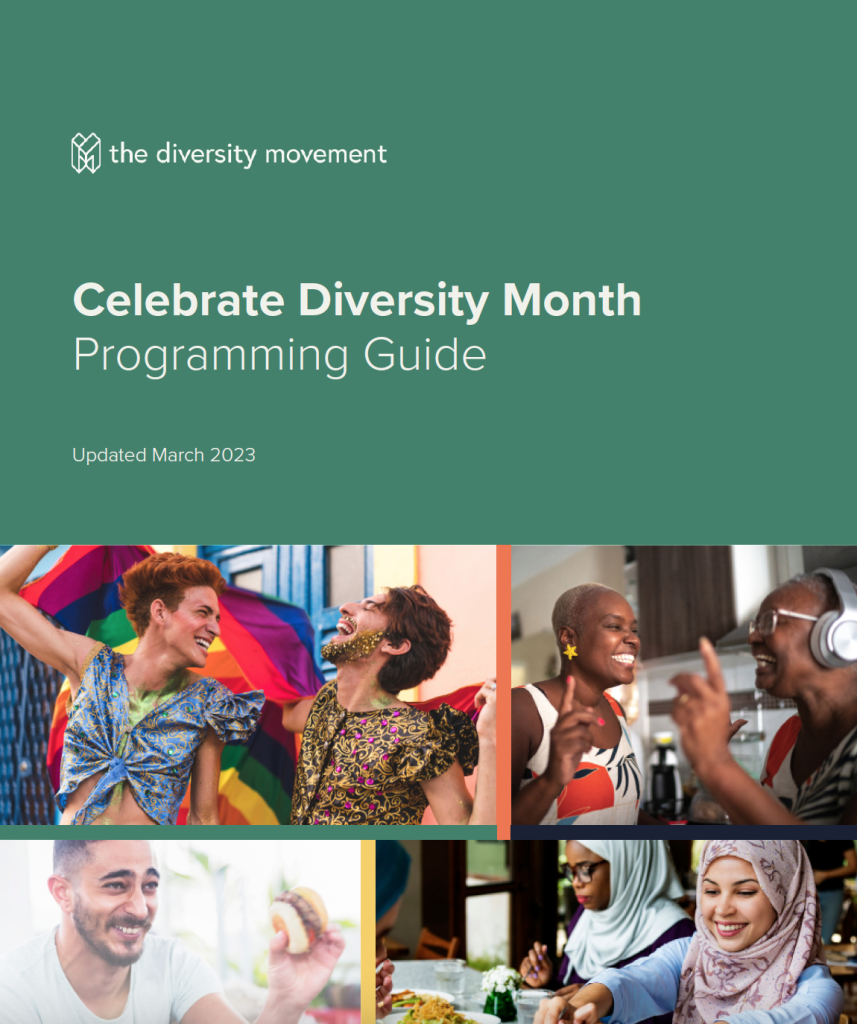
Get a free guide to celebrating diversity in your organization.
Genocide Remembrance, Condemnation and Prevention Month
During this time, we remember the millions of victims who suffered and lost their lives to genocide. We honour the resilience and courage of all survivors and their descendants, as we strive to create a world where this atrocity is not only remembered but prevented.
Parkinson’s Awareness Month
Parkinson’s Awareness Month is an opportunity to engage the public in expanding their understanding of Parkinson’s, and the profound effects it has on the lives of over 110,000 Canadians living with Parkinson’s.
1 – April Fools’ Day
April Fools’ Day received its name from the custom of playing practical jokes on this day—for example, telling friends that their shoelaces are untied or sending them on so-called fools’ errands. There are variations between countries in the celebration of April Fools’ Day, but all have in common an excuse to make someone play the fool. In many countries newspapers and the other media participate—for example, with false headlines or news stories.
1 – National Caregiver Day
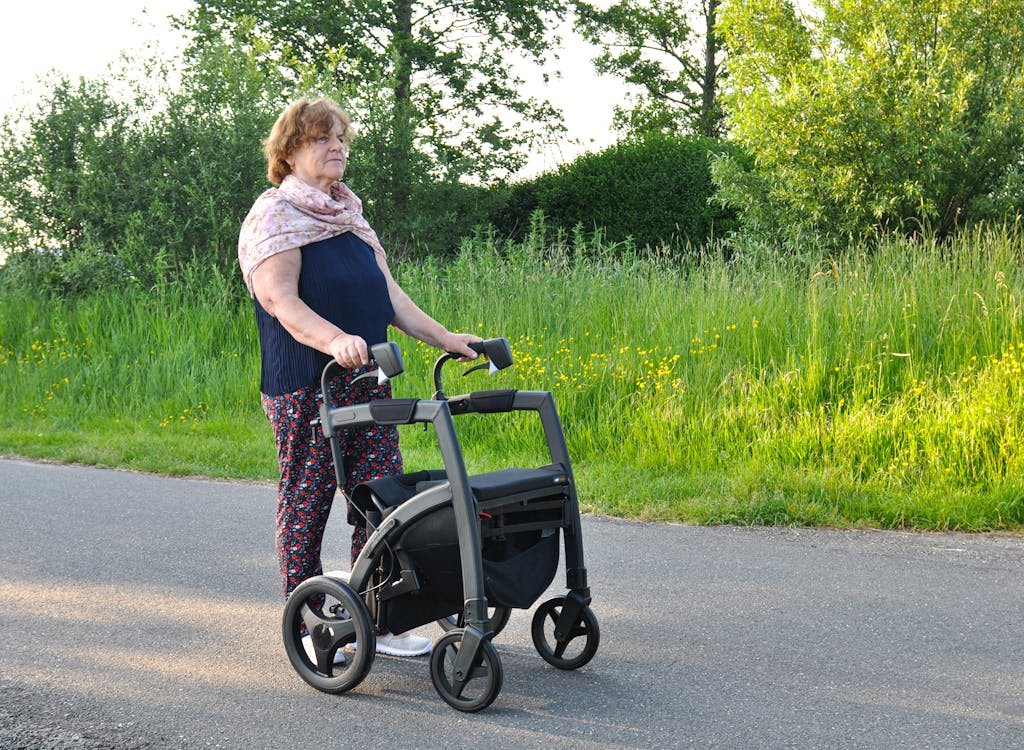
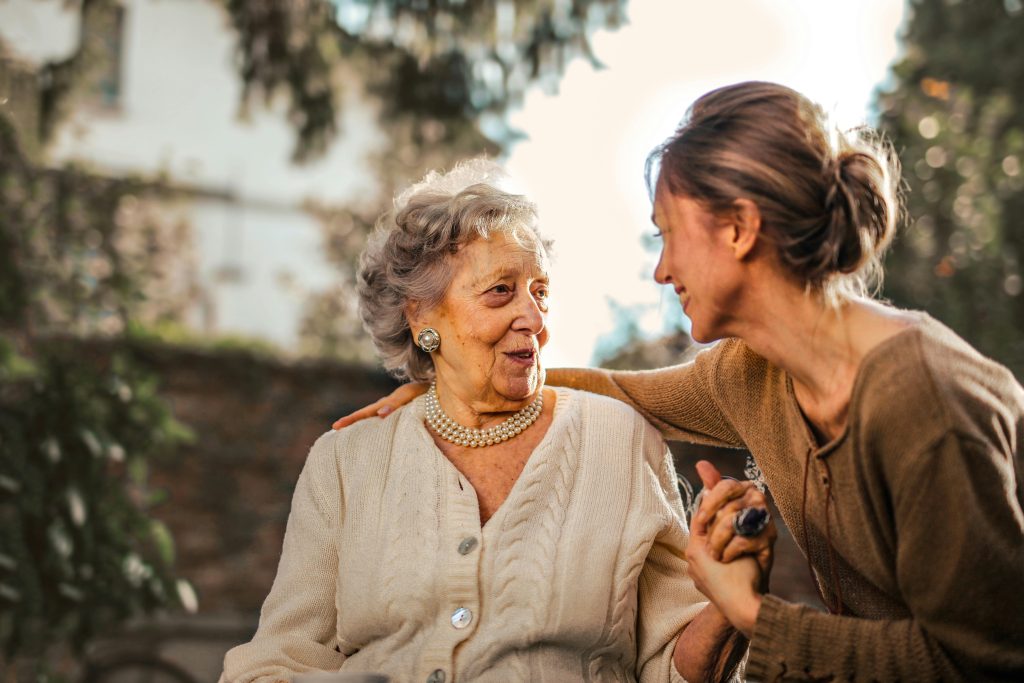
On this day, we honour and celebrate people in Canada who provide personal care, physical and/or emotional support to those in need. Caregivers make a difference in the lives of many people across the country. The support they provide contributes to a better quality of life for those they are caring for. The role of a caregiver takes many forms, from professional health care workers to unpaid caregivers who provide support to a family member or friend in need.
1-9 – Passover
Passover (Pesach) commemorates the emancipation of the Israelites from slavery in ancient Egypt. Pesach is observed by avoiding leaven, and highlighted by the Seder meals that include four cups of wine, eating matzah and bitter herbs, and retelling the story of the Exodus.
2 – World Autism Acceptance Day
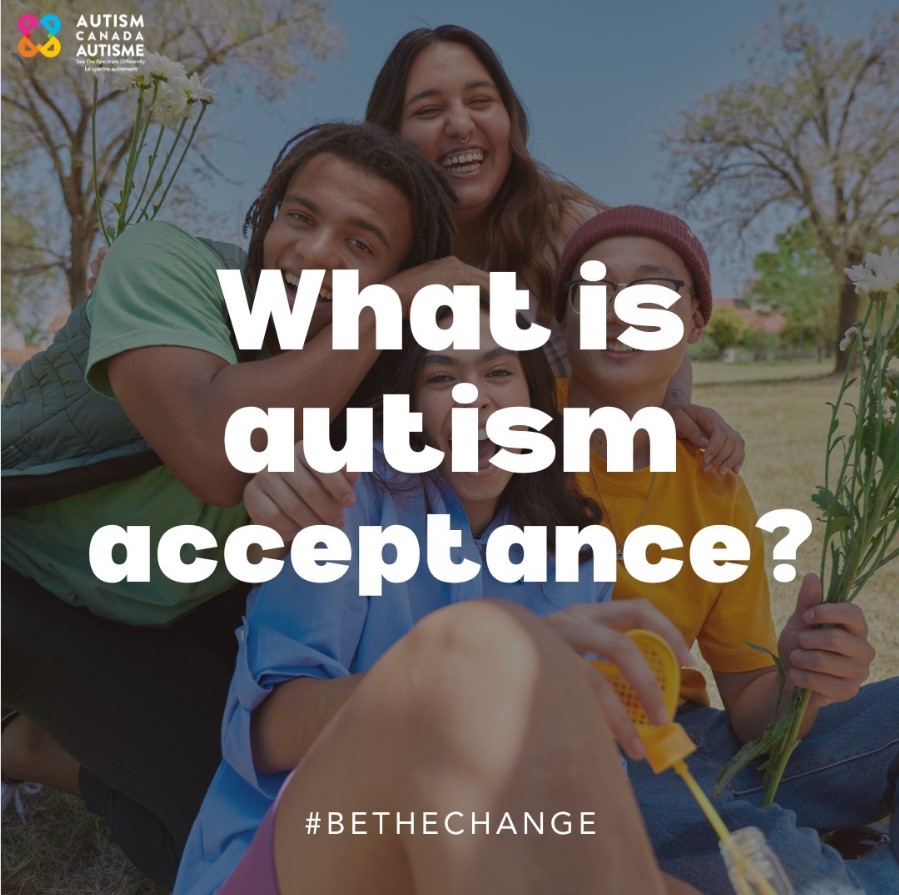
Why does autism acceptance matter? Autism Acceptance is important for several reasons. It represents a shift in perspective from focusing on “awareness” to embracing and understanding the diversity of individuals on the autism spectrum. Acceptance challenges stereotypes, reduces stigma, and empowers individuals to express themselves confidently. Let’s celebrate neurodiversity and work towards a society that appreciates everyone’s uniqueness this World Autism Awareness Day.
2 – International Children’s Book Day
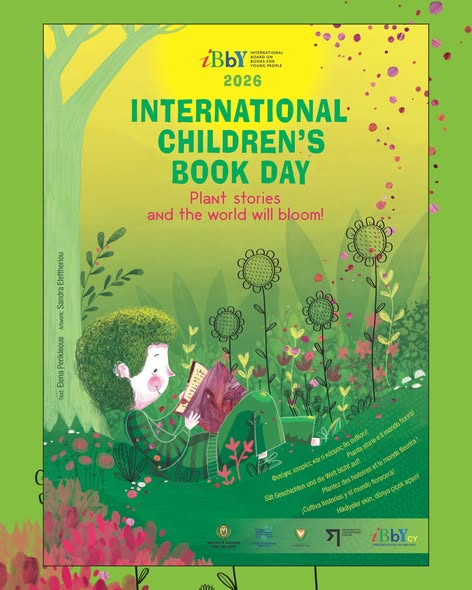
Since 1967, on or around Hans Christian Andersen’s birthday, 2 April, International Children’s Book Day (ICBD) is celebrated to inspire a love of reading and to call attention to children’s books. Learn more.
3-5 – Good Friday-Easter Sunday
Canadians commonly refer to Easter as the period from Good Friday through Easter Monday. Good Friday (and /or Easter Monday) is a statutory holiday in Canada. For many Christians, the celebration of Easter is preceded by Lent, a 40-day period of penance that begins on Ash Wednesday and ends on Holy Saturday.
6 – International Asexuality Day
IAD is a coordinated worldwide campaign promoting the ace umbrella, including demisexual, grey-asexual and other ace identities. The four themes of IAD are: Advocacy, Celebration, Education, and Solidarity. Participation could be as simple as sharing a post on social media, but there are also organisations all over the world who are holding events, running campaigns and supporting causes. To get involved or find out about your local organizations, please see our Find Local Advocates page.
6 – National Tartan Day
Tartan Day is a chance for people around the world to celebrate their connections to Scotland. First recognized in Canada in 1987, the event is now marked around the world. Tartan Day was founded in Nova Scotia as an annual celebration of Scottish culture and heritage and has grown more popular every year.

6 – International Day of Sport for Development and Peace
Importantly, sport transcends boundaries and promotes tolerance, perseverance, and respect within and between cultures … to promote just, peaceful, and inclusive societies.”
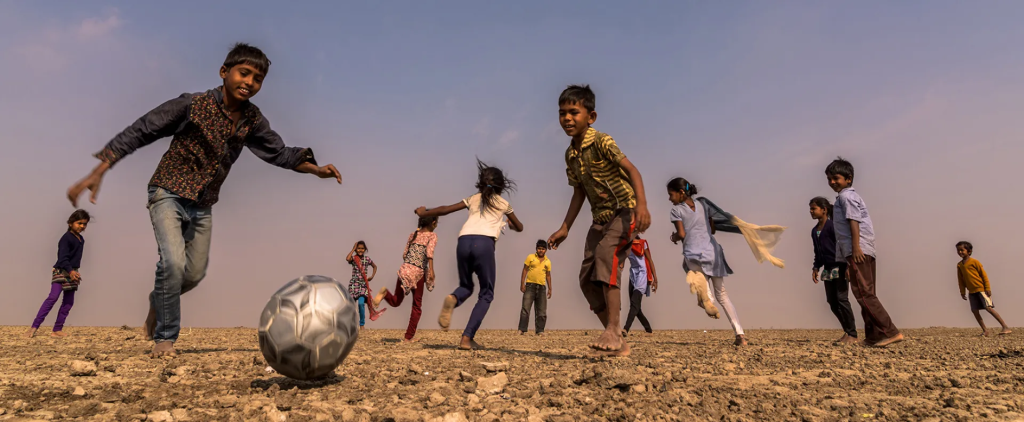
The International Day of Sport for Development and Peace (IDSDP) is celebrated annually to recognize the power of sport in fostering positive change, bridging barriers, and transcending boundaries.
Sport has been increasingly recognized and used as a low-cost and high-impact tool
7 – World Health Day
World Health Day is celebrated annually and each year draws attention to a specific health topic of concern to people all over the world. The date of 7 April marks the anniversary of the founding of WHO in 1948. The theme of World Health Day 2025 is Together for Health. Stand with Science.

7 – International Day of Reflection on the 1994 Genocide Against the Tutsi in Rwanda
The date, 7 April, marks the beginning of the genocide perpetrated against members of the Tutsi minority by the Hutu extremist-led government. Within just over 100 days, more than 1 million Tutsi were systematically murdered. Moderate Hutu and others who opposed the massacres were also killed during this period. Every year, on or around that date, the United Nations organizes commemorative events at its Headquarters in New York and at United Nations offices around the world.
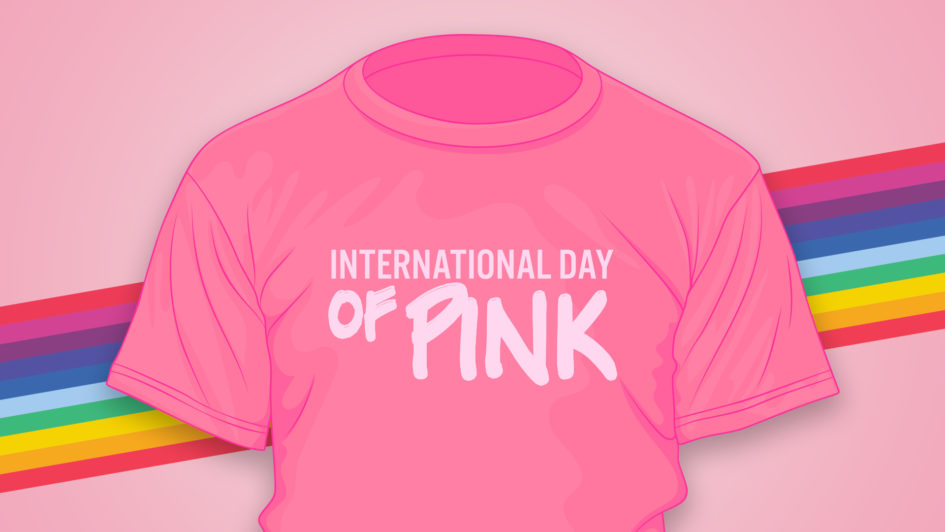
8 – International Day of Pink
The International Day of Pink started in 2007 when a teenager faced homophobic bullying at a Nova Scotia high school for wearing a pink t-shirt. Students organized to wear pink as an act of solidarity. It is now a day of action on the second Wednesday in April every year. On International Day of Pink, take a stand against bullying and harassment. Wear pink and post a photo on social media with the #DayOfPink hashtag.
8 – Birthday of Buddha
Buddhists around the world use this time to not only celebrate, but also reflect on Buddha’s teachings and what it means to practice the faith. In many parts of Asia, the sacred day marks not just the birth, but also the enlightenment and passing of the Buddha. In most Asian cultures and the diaspora, Buddhists go to their local temples and participate in chanting, meditation and festivities all day. Families decorate their homes with lanterns and gather for feasts.
9 – Anniversary of the Battle of Vimy Ridge
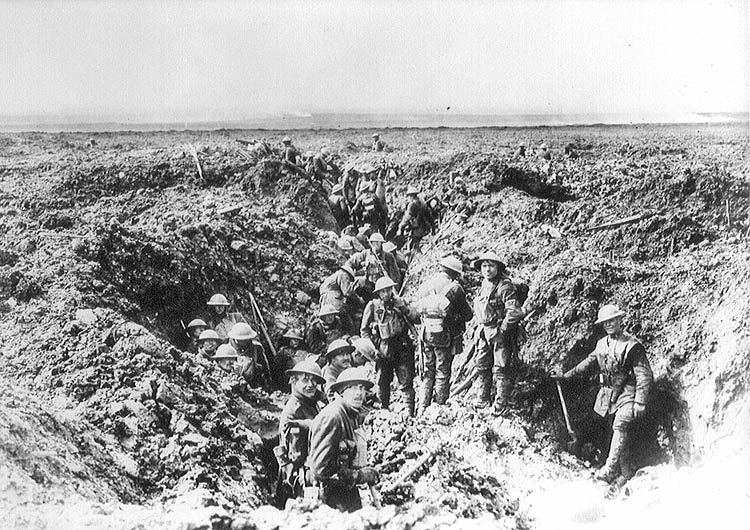
The Battle of Vimy Ridge began at 5:30 a.m. on Easter Monday, April 9, 1917. The first wave of 15,000-20,000 Canadian soldiers, many heavily laden with equipment, attacked through the wind-driven snow and sleet into the face of deadly machine gun fire. The Battle of Vimy Ridge proved to be a great success, but it only came at a heavy cost. Learn more about this epic battle we still acknowledge today.
13 – Yom HaShoah (Holocaust Remembrance Day)
Yom HaShoah, or Holocaust Remembrance Day, is a solemn day observed on the 27th of Nisan in the Hebrew calendar (typically April) to commemorate the approximately six million Jews murdered by Nazi Germany and its collaborators.
13 – Theravada New Year
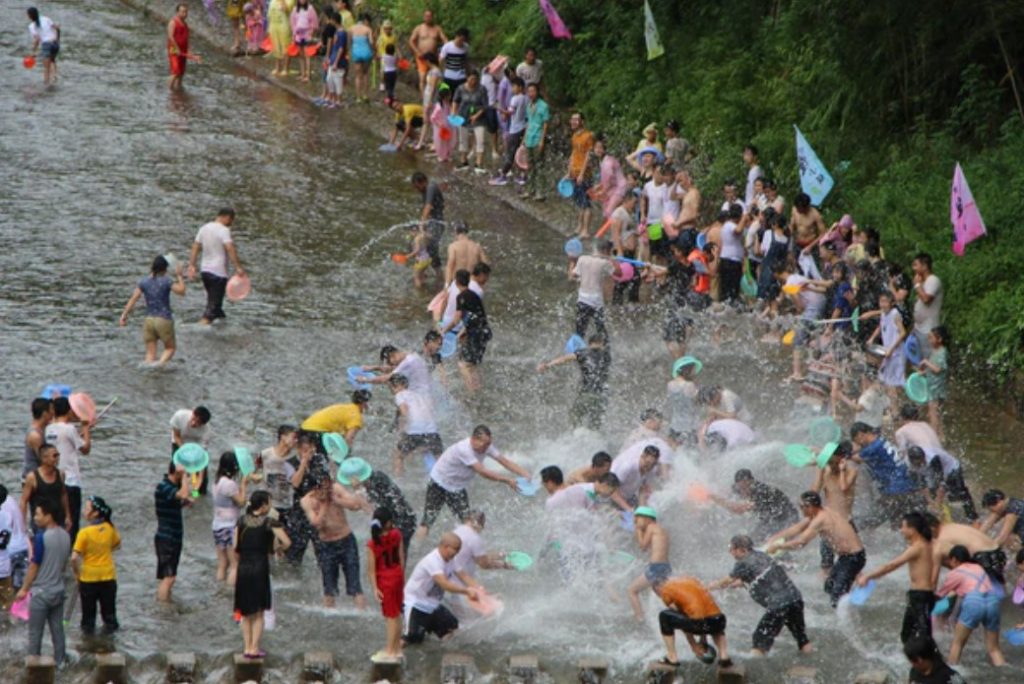
Theravada New Year is a three-day Buddhist festival, usually starting on April 13th, marking the new lunar year in Southeast Asia (Thailand, Sri Lanka, Cambodia, Laos, Myanmar). Celebrations focus on purification, involving temple visits for merit-making, cleaning homes, and traditional water-throwing/splashing to wash away bad karma.
16 – Equal Pay Day
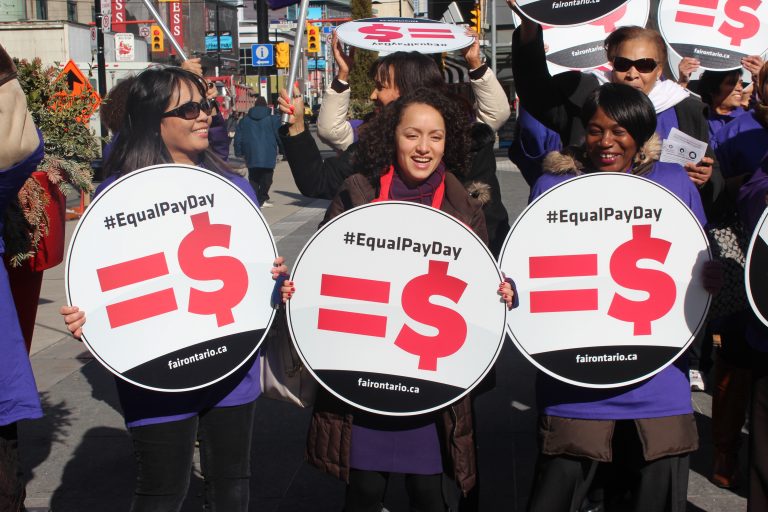
Since 1976, the non-partisan Equal Pay Coalition has been the main advocate for women’s pay equity in Ontario, uniting 40+ women’s groups, trade unions, community groups and business organizations representing hundreds of thousands of women and gender diverse people across the province.
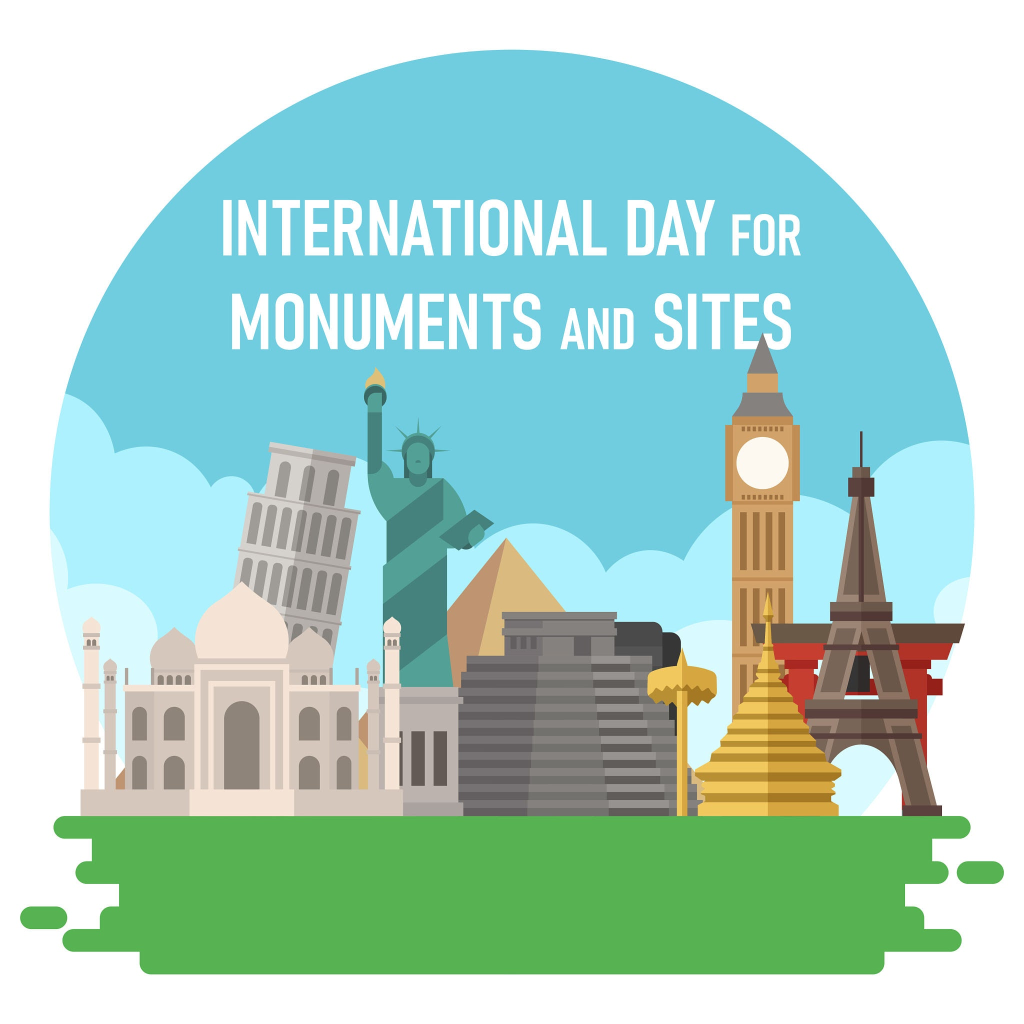
18 – World Heritage Day / “International Day for Monuments and Sites”
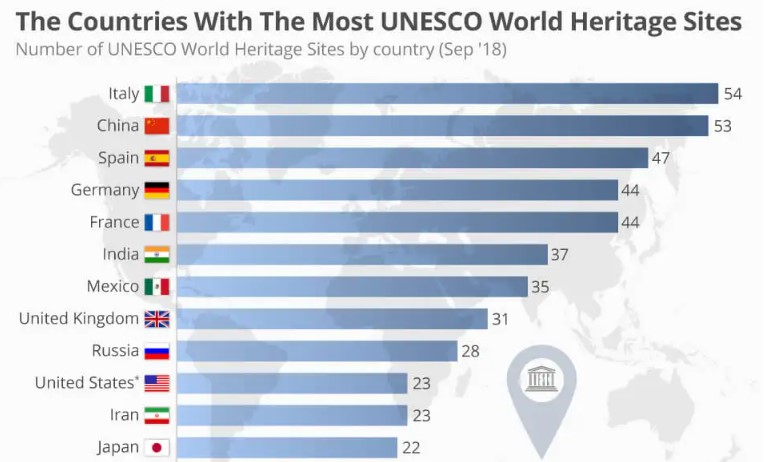
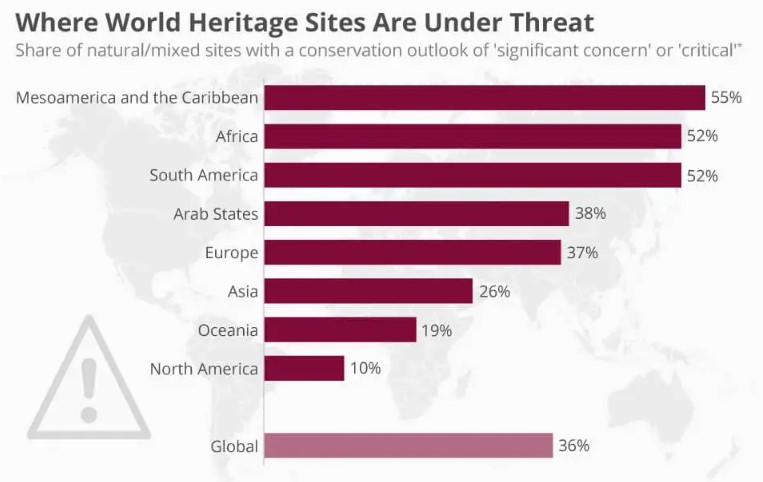
Established in 1983 by UNESCO, this day highlights the need to protect cultural heritage and strengthen resilience. The objective of World Heritage Day is to emphasize the importance of safeguarding various sites around the world that have achieved world heritage status and the challenges involved in protecting these sites. This year’s theme is “Emergency Response for Living Heritage in Context of Conflicts and Disasters“.
21 – World Creativity and Innovation Day
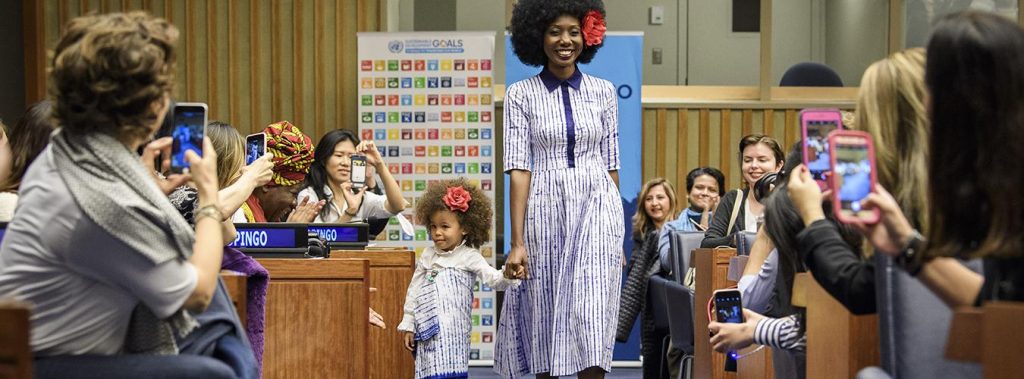
There may be no universal understanding of creativity. The concept is open to interpretation from artistic expression to problem-solving in the context of economic, social and sustainable development. Therefore, the United Nations designated 21 April as World Creativity and Innovation Day to raise awareness of the role of creativity and innovation in all aspects of human development.
22 – Earth Day
The theme for Earth Day 2026 is Our Power, Our Planet, inviting everyone around the globe to unite behind renewable energy, and to triple the global generation of clean electricity by 2030. How? By joining in on Earth Action Day, encouraging all to take action—educate, advocate, and mobilize.

23 – National Administrative Professional Day
According to the latest Canadian census, there are more than 1.8 million office and administrative professionals working in Canada. Their roles are incredibly diverse and are found throughout the private and public sectors.
Celebrate Administrative Professionals Day! Show your team members that you have noticed and appreciate how much they contribute to your organization’s success.
23 – World Book Day
World Book Day encourages more children and families to find the fun and enjoyment in reading, because reading for pleasure changes lives. Learn more
23 – International Girls in Information and Telecommunications Technologies Day
International Girls in ICT Day 2026 will be celebrated on 23 April under the theme “AI for Development: Girls shaping the digital future”.

24 – Take Your Child To Work Day
Take Your Child To Work Day is an annual career exploration event and work experience program that allows grades 9, 10, 11 or 12 students to experience the ins and outs of a real work environment by observing a parent or guardian host at their place of work.
19-25 – National Volunteer Week
Ignite Volunteerism: A year-long, nation-building celebration
International Volunteer Year is a once-in-a-generation opportunity to celebrate the power of civic participation and renew Canada’s culture of volunteering.
Ignite Volunteerism is a year-long effort to elevate the role of civic participation, rebuild volunteer infrastructure, and celebrate volunteer stories.
This National Volunteer Week (April 19-25, 2026) we will celebrate the ways in which people in Canada have ignited volunteerism in their communities, aligning NVW 2026 with Ignite Volunteerism, deepening our collective impact.
More to come: visit www.ivy26.ca for more resources.

26-2 – World Immunization Week
Over the last 50 years, essential vaccines have saved at least 154 million lives. That’s 6 lives a minute, every day, for five decades.
World Immunization Week, celebrated in the last week of April, aims to highlight the collective action needed and to promote the use of vaccines to protect people of all ages against disease.
Through its convening power, WHO works with countries across the globe to raise awareness of the value of vaccines and immunization and ensures that governments obtain the necessary guidance and technical support to implement high quality immunization programmes.
The ultimate goal of World Immunization Week is for more people – and their communities – to be protected from vaccine-preventable diseases.
World Immunization Week 2026: For every generation, vaccines work
28 – National Day of Mourning for Injured Workers
Marked annually in Canada on April 28, the National Day of Mourning is dedicated to remembering those who have lost their lives, suffered injury or illness on the job, or experienced a work-related tragedy. #DayofMourning
Organizations, employees, communities, and individuals are encouraged to hold or support an event, or to simply observe a moment of silence at 11 a.m. on April 28. Consider sharing or playing our moment of silence video in your workplace to honour those who have died or suffered injury or illness due to a work-related tragedy.
From ETFO: On this day, dedicated to remembering those who have been injured, made ill, or killed on the job, ETFO reaffirms our commitment to fighting alongside our partners in labour for safe workplaces. All workers deserve to return home at the end of their workday, free of workplace injury or illness.
ETFO sharables to raise awareness of the day are available on the website. Information about Day of Mourning events can be found at the Workers Health and Safety Centre and the Canadian Labour Congress.
“Mourn for the dead, fight for the living.”
28 – World Day for Safety and Health at Work
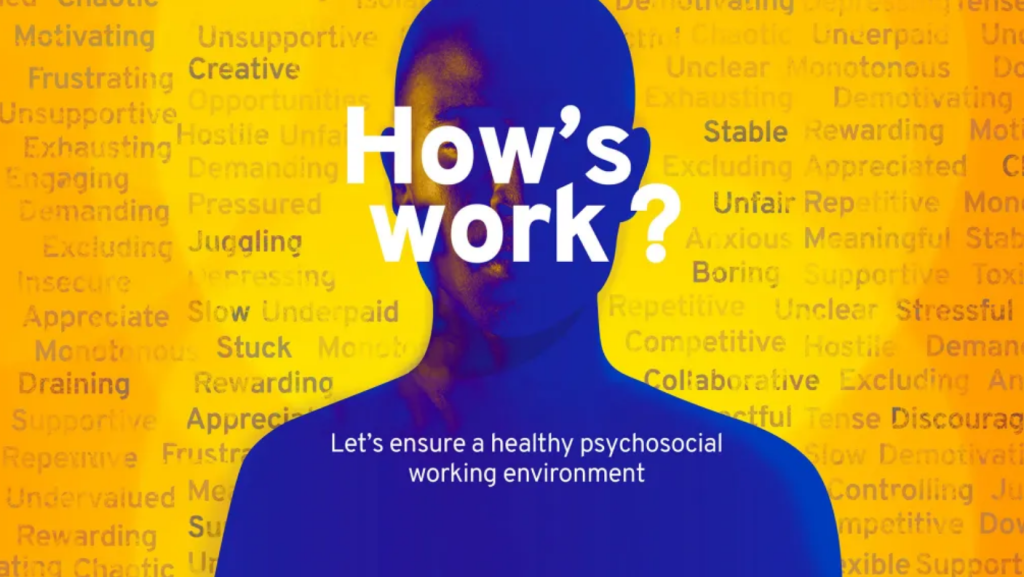
This year’s World Day for Safety and Health at Work focuses on “Let’s ensure a healthy psychosocial working environment“.
The psychosocial working environment is defined by how work is designed, organized and managed, and the organizational practices that shape everyday working conditions. Psychosocial factors – such as workload and working time, role clarity, autonomy, support, and fair and transparent processes – strongly influence how work is experienced and affect workers’ safety, health and performance.
When psychosocial factors harm workers, they become hazards which, alongside physical, chemical and biological types, must be addressed and managed to ensure safe and healthy working environments.
30 – Journey to Freedom Day
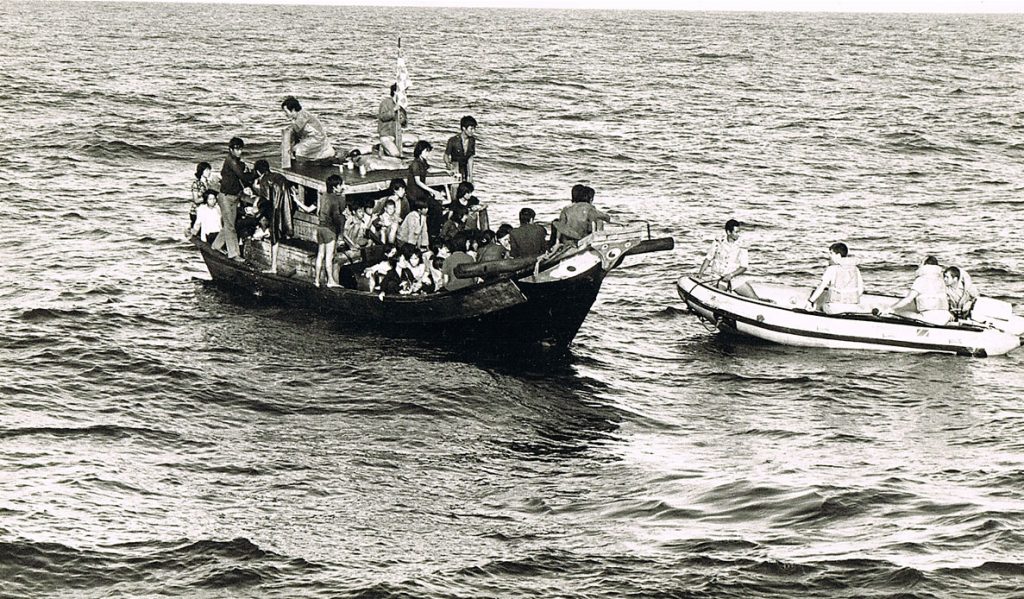
This date is inspired by a journey to freedom that began 40 years ago, after the fall of Saigon. More than 2 million people fled their war-torn country in search of freedom.
The sea was the Vietnamese’s only escape; refugees took to the water by whatever means possible; over 250,000 perished on the seas in search of a brighter future, while others wound up in refugee camps in South-East Asia.
Amid this chaos, Canada welcomed over 120,000 refugees with open arms — it remains the greatest influx of refugees Canada has ever welcomed. Canada is now home to more than 300,000 Vietnamese-Canadians, three proud generations who celebrate an important heritage in a great nation and contribute to Canadian society’s growth and prosperity.