

Asian & South Asian Heritage Month
In Ontario, the month of May is dedicated to celebrating the contributions of Canadians from over 30 countries that make up the Asian and South Asian diaspora.
What can we learn?
Resource links

Jewish Heritage Month
In 2018, the Canadian government established May as Canadian Jewish Heritage Month. Canada is home to the fourth largest Jewish community in the world.

Polish Heritage Month
Polish Heritage Month is celebrated each May, commemorating Constitution Day in Poland – the implementation of the first democratic and progressive constitution in Europe in 1791. Ontario is home for over than half million people with Polish heritage.

Food Allergy Awareness Month
May is Food Allergy Awareness Month. Food allergies impact nearly HALF of all Canadian households. Food allergy is one of the leading causes of potentially life-threatening anaphylactic reactions and a public health concern in Canada, especially among children.
Learn allergic reaction signs and symptoms
Mental Health Awareness Month
Take action, raise your voice, and help change the conversation around mental health! Since 1949, Mental Health Awareness Month has been a driving force in addressing the challenges faced by millions of people living with mental health conditions. Share your story, spread awareness, or advocate for change – every action helps break the stigma and build a more supportive world for all.

Vision Health Month
Millions of people worldwide are affected by preventable vision impairment. 1 in 7 Canadians develop serious eye disease in their lifetime, and an estimated 75% of vision loss is preventable or treatable with proper care.
Vision Health Month serves as a crucial reminder to prioritize our eye health and take proactive steps to safeguard our vision for a lifetime of clarity and well-being.

National Speech & Hearing Month
Communication disorders affect physical, emotional, social, and financial well-being. Identifying and addressing them early improves outcomes at any age. Each year, Speech-Language & Audiology Canada (SAC) produces new Speech and Hearing Month materials to promote communication health and raise public awareness about communication disorders.
Resource collection
Public awareness toolkit

MS Awareness Month

Every two hours, someone in Canada is diagnosed with MS.
Here in Canada, we’re at the forefront of MS research. Thanks to the generosity of donors, fundraisers, and community partners, we are a global leader in researching multiple sclerosis.
With each passing year, we gain new knowledge that will help us advance MS treatment and care, understand and halt disease progression, enhance well-being and prevent MS.
During the month of May listen to community stories, raise awareness and learn how you can be a positive force for change.
Learn about opportunities to volunteer
01 – May Day (International Workers’ Day)
On May 1, educators join workers, parents, students, and community members to rise up for dignity, justice, and public investment in our lives, not in billionaires’ profit margins.
May Day Participant Toolkit
Labour education resources

03 – World Press Freedom Day
World Press Freedom Day is a day of support for media which are targets for the restraint, or abolition, of press freedom. It is also a day of remembrance for those journalists who lost their lives in the pursuit of a story.
World Press Freedom Canada’s mission is a non-profit who champions press freedom in Canada and around the world. Learn more.
04-08 – Education Week
“Every day, ETFO members bring compassion, creativity, and a deep commitment to supporting student learning and well-being,” said former ETFO President Karen Brown in 2025. “From teachers and occasional teachers to designated early childhood educators and education and professional support personnel, their contributions are the foundation of a strong public education system. But to maintain that strength, meaningful and adequate investment is essential.”

04-10 – Canadian Mental Health Week
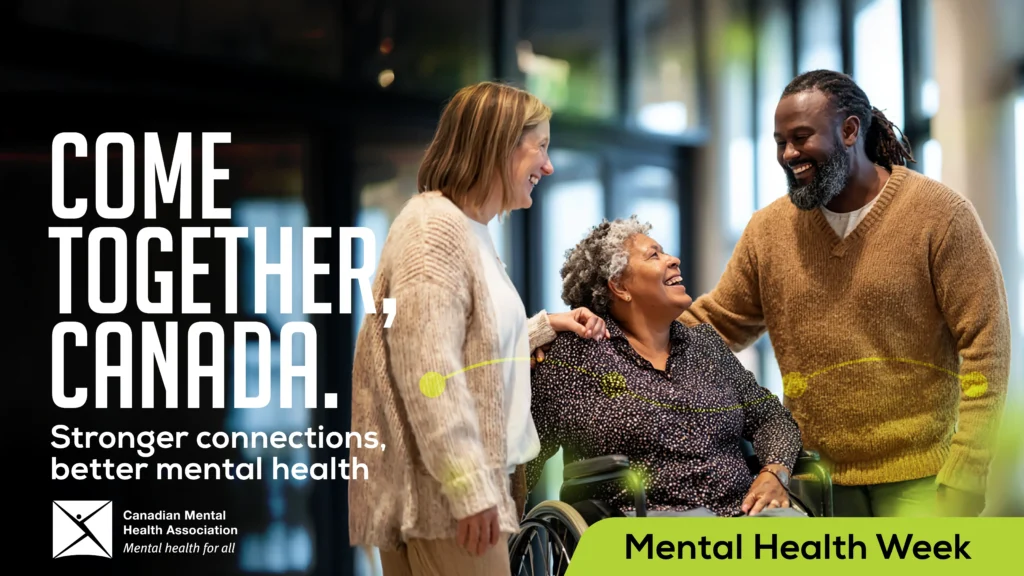
Mental Health Week 2026 Theme:
Come Together, Canada
Stronger Connections. Better mental health.
Social connection is essential to overall health and well-being. But too many people are feeling alone. In Canada, around 17% of youth, 13% of adults, and 10% of seniors say they feel lonely often or always.
This May 4-10, CMHA is inviting people across Canada to Come Together. It’s a call to spark small, everyday actions of connection, and to recognize the role we all play in supporting mental health through connection.
Together, we can strengthen mental health, build healthier communities, and help more people feel connected.
Because connection strengthens mental health.
04-08: GBA+ Plus Awareness Week
GBA (Gender Bias Analysis) Plus Awareness Week was first launched in 2012 to increase understanding among federal public servants of the relevance of GBA Plus to their work. Gender-based analysis plus is “an analytical process used to assess how diverse groups of women, men and people of all genders may experience policies, programs and initiatives. The “plus” acknowledges that GBA goes beyond biological (sex) and socio-cultural (gender) differences. We all have multiple identity factors that intersect to make us who we are; GBA+ considers many other identity factors, like race, ethnicity, religion, age and mental or physical disability.”
Free course: Introduction to GBA+

05 – National Teacher Appreciation Day
Teacher Appreciation Week Canada is a special time to celebrate and recognize the dedication of educators across the country. Schools, students, and parents can show their gratitude through thoughtful gestures, events, and messages of appreciation. This Teacher Appreciation Week Canada resource provides ideas and activities to help honour teachers for their hard work and impact on student learning.
What can children do to recognize Teacher Appreciation Day?
- Children could make a card or a poster for a teacher.
- They could draw a portrait of their teacher and include all the reasons they’re appreciated.
- They could make one from the whole class and sign it or add a little message of appreciation for their teacher to read on the day.
- Create an awards ceremony. Children could make certificates or awards to celebrate all the hard work their teachers put in every day! They could include some funny awards, like one for the teacher who does the best impressions when reading a book, or one for the teacher most likely to hang out and eat lunch with the students.
- Record a thank you message or make a video as a whole class.
- Have a party in class and celebrate with bunting, banners and cake.

05 – Cinco de Mayo

Cinco de Mayo, or the fifth of May, is a holiday that celebrates the date of the Mexican army’s May 5, 1862 victory over France at the Battle of Puebla during the Franco-Mexican War. The day is also known as Battle of Puebla Day. In Canada, Cinco de Mayo has evolved into a commemoration of Mexican culture and heritage.
Did you know? Canadians consume more than 10 million avocados during Cinco de Mayo! Whether it’s for guacamole or as an addition to other dishes, avocados are a staple of the celebration.
05 – Dutch Heritage Day
On Dutch Heritage Day we honour the sacrifices made by past members of the Canadian Armed Forces in the liberation of the Netherlands during WWII. It is also an opportunity to celebrate the many contributions that generations of Dutch Canadians have made. Canada is the home of over 1 million people of Dutch descent.

05 – Red Dress Day
Red Dress Day, also known as the National Day of Awareness for Missing and Murdered Indigenous Women and Girls and Two-Spirit People, honours and brings awareness to the thousands of Indigenous women, girls and two-spirit people who have been subject to disproportionate violence in Canada.
Red Dress Day was inspired by Métis artist Jaime Black’s REDress Project installation, in which she hung empty, red dresses to represent the missing and murdered women. Red dresses have become symbolic of the crisis as a result of her installation.
07 – National Child and Youth Mental Health Day
The purpose of National Child and Youth Mental Health Day is to foster connections between young people and the adults in their lives who care about them, to spark meaningful conversations about youth mental health and to show that small moments of care and connection can have a lasting impact. When young people feel seen, heard, and supported, their mental health improves. May 7 is more than a single day—it’s a reminder to make caring conversations part of everyday life. Families, schools, and communities can use these tools and resources to help create spaces where kids and youth know they are cared for, and that their mental health matters.

08 – World Red Cross Day
The theme of this year’s World Red Cross and Red Crescent Day — On the side of Humanity — is a call to celebrate those who give their time, and sometimes their lives, to ease the suffering of others and protect their inherent human dignity. In a time of unprecedented crises and loss, it’s also a poignant reminder of the daily dangers faced by humanitarian workers and our collective obligation to ensure their life-saving work is fully respected and protected.
Even in the darkest of times, the signs of humanity shine brightly. Like the 66-year-old woman pictured below who leads her Red Cross branch in bringing critical, life-saving services to people whose lives have been turned upside down by political unrest, displacement, a global pandemic and tropical storms.

10 – World Lupus Day
Lupus is a serious, life-altering, and fatal inflammatory autoimmune condition. To help raise awareness on World Lupus Day, consider wearing purple – whether it’s a purple shirt, hat, sunglasses or more, wear your favorite purple gear to help make lupus visible, and support efforts to advance lupus research by either raising funds or making a donation.
Get your Lupus awareness toolkit

10 – Bear Witness Day (Recognizing Jordan’s Principle)

May 10th marks a significant date in the history of Jordan’s Principle at the Canadian Human Rights Tribunal (CHRT), a child-first principle and legal rule that honours the memory of Jordan River Anderson.
Jordan, a First Nations child from Norway House Cree Nation in Manitoba, suffered from complex medical needs and was unjustly held in the hospital for over two years. Sadly, he passed away at the age of five, without ever experiencing a day in a family home. Jordan’s favourite toy, a teddy bear, has become a powerful symbol in the fight against discrimination of First Nations children, youth, and their families.
10 – Mother’s Day
How did Mother’s Day begin?
Each woman and all of these events have contributed to the present occasion now celebrated on the second Sunday in May:
– In 1858, Ann Jarvis, a young Appalachian homemaker, organized “Mother’s Work Days” to improve the sanitation and avert deaths from disease-bearing insects and seepage of polluted water.
– In 1872, Boston poet, pacifist and women’s suffragist Julia Ward Howe established a special day for mothers –and for peace– not long after the bloody Franco-Prussian War.
– In 1905, when Ann Jarvis died, her daughter, Anna, decided to memorialize her mother’s lifelong activism, and began a campaign that culminated in 1914 when Congress passed a Mother’s Day resolution.

14 – Moose Hide Campaign Day
In many Indigenous cultures on Turtle Island, moose hide is medicine.
The Moose Hide Campaign began as a BC-born Indigenous-led grassroots movement to engage men and boys in ending violence towards women and children. It has since grown into a nationwide movement of Indigenous and non-Indigenous Canadians from local communities, First Nations, governments, schools, colleges/universities, police forces and many other organizations – all committed to taking action to end this violence. The campaign is grounded in Indigenous ceremony and traditional ways of learning and healing.
Curriculum Guide for Teachers
Moose Hide is Medicine – Order your Pin!
15 – International Day of Families
2026 Theme: Families, Inequalities and Child Wellbeing
The theme of the 2026 observance, “Families, Inequalities and Child Wellbeing,” underscores how widening inequalities are shaping family life and influencing children’s futures. It calls for stronger investment in integrated, family-oriented policies to reduce disparities and support healthy child development.
As global disparities widen, this year’s observance will spotlight gaps in income, education, healthcare, digital access and essential services that shape children’s life chances. It will emphasize the need for integrated social protection systems — including child benefits, parental leave, affordable childcare and early education — to strengthen family resilience, reduce poverty and promote equal opportunities.
How can I celebrate the International Day of Families in the classroom?
Some fun ways to celebrate the International Day of Families from Twinkl.ca include:
- Reflecting on the theme of family – children could make a family tree using this lovely worksheet
- Volunteering – think of ways children & their families could help the community with this resource pack
- Have a party – get children to plan a fun family event with this fun worksheet
Primary Resources
Early Learner Resources

15 – Malcolm X Day
Malcolm X Day commemorates the legacy of this prominent civil rights leader. This annual observance reminds people of his relentless advocacy for Black empowerment and social justice, honouring his contributions to civil rights and inspires continued activism. His message of pride and resistance resonates with many who value his dedication to promoting social change and justice. The day emphasizes the importance of carrying on his legacy of empowerment and resistance against oppression.
How to Celebrate Malcolm X Day
- Dive Into Books and Films about Malcolm X. Reading his autobiography or watching films about his life can provide an insight into his message.
- Spread his message. Share your favorite Malcolm X quotes on social media to spread his message of empowerment. Everyone loves a good quote, especially when it packs a punch.
- Engage in Discussions. Gather a group of friends to discuss Malcolm X’s impact on civil rights. A book club-style chat or debate can bring fresh perspectives. Don’t be afraid to get deep and discuss what still needs improvement. With snacks and conversation, it’s the perfect way to honor his legacy.
- Support Local Events. Check out local events commemorating Malcolm X Day. Attend community gatherings or listen to educational talks. Supporting these events helps uplift his message and your local community. Plus, it’s a great way to meet like-minded individuals who share your enthusiasm.

16 – International Day of Living Together in Peace
Living together in peace is all about accepting differences and having the ability to listen to, recognize, respect and appreciate others, as well as living in a peaceful and united way.
This day aims to uphold the desire to live and act together, united in differences and diversity, to build a sustainable world of peace, solidarity, and harmony. It offers an opportunity to reflect on accepting differences and listening, recognizing, respecting, and appreciating others.
The UN General Assembly (UNGA) declared 16 May the International Day of Living Together in Peace as a means of regularly mobilizing the efforts of the international community to promote peace, tolerance, inclusion, understanding, and solidarity.

16 – World Education Support Personnel Day
On World #ESPDay, we recognize the crucial role of education support personnel in ensuring all students get quality public education.
Governments must increase funding for the education systems and these professionals.

17 – International Day against Homophobia, Transphobia & Biphobia
The International Day Against Homophobia, Transphobia and Biphobia (IDAHOTB) will be recognized by over 130 countries around the world. This day reminds us that those who identify as lesbian, gay, bisexual, transgender, queer, Two-Spirit, or non-binary continue to experience significant disparities – including negative mental health impacts, unemployment, homelessness, harassment, and bullying – and they are often victims of violence simply for being themselves.

17-23 – Québec Intergenerational Week
Every year since 1987, Québec has celebrated and promoted initiatives that promote exchanges between generations. Coordinated by Intergénérations Québec, Quebec Intergenerational Week is a unique opportunity to highlight and promote local intergenerational activities!

18-National Patriots’ Day
National Patriots’ Day (Quebec) shuns the crown to salute the men who rebelled against British rule during 1837-1838. The day has been celebrated under the name National Patriots’ Day since 2003, replacing the original la Fete de Dollard which honoured the 17th century military hero Adam Dollard des Ormeaux.

18 – Victoria Day
May 24, Queen Victoria’s birthday, was declared a holiday by the Legislature of the Province of Canada in 1845. After the death of Queen Victoria in 1901, an act was passed by the Parliament of Canada establishing a legal holiday on May 24 in each year (or May 25 if May 24 fell on a Sunday) under the name Victoria Day. An amendment to the Statutes of Canada in 1952 established the celebration of Victoria Day on the Monday preceding May 25. It remains so to this day as per the Holidays Act.

21 – Global Accessibility Awareness Day
The purpose of this day is to get everyone talking, thinking and learning about digital access and inclusion, and the more than One Billion people with disabilities/impairments.
Digital accessibility refers to the ability of people with disabilities/impairments to independently consume and/or interact with digital (e.g., web, mobile) applications and content.
Here in Ontario, companies are required by law through the Accessibility for Ontarians With Disabilities Act to ensure that their websites and social media accounts align with the requirements set out by the AODA.
From both a civil rights and a business perspective, people with disabilities are underserved by today’s digital products.
21 – World Day for Cultural Diversity, for Dialogue and Development
In 2022, delegations from 150 States gathered in Mexico and unanimously adopted the historic Declaration for Culture, affirming culture as a “global public good” and calling for it to be integrated “as a specific goal in its own right” in the development agenda beyond 2030.
This day not only highlights the richness of the world’s cultures, but also the essential role of intercultural dialogue for achieving peace and sustainable development. With 89% of all current conflicts in the world occurring in countries with low intercultural dialogue, to forge effective cooperation and sustain peace, strengthening intercultural dialogue must be a priority.

24 – Pansexual and Panromantic Visibility Day

Pansexual Awareness & Visibility Day is celebrated each year on May 24th to increase the visibility of pansexual identities within the LGBTQ+ community, and to combat stigma and prejudice towards pansexual and panromantic people. This is important to achieve diversity and inclusivity throughout workplaces, service delivery and to improve the health and wellbeing of pansexual communities.
25 – Africa Day
Africa Day commemorates the founding of the Organisation of African Unity (now known as the African Union) on this day, 25 May, in 1963. Formally known as African freedom day and then African Liberation day, its origin lies in the collective African resistance to colonialism and economic exploitation. The day was, and is, intended to highlight Africa’s continued collective struggle against adversity.
The African Union today strives to represent a vibrant continent of 1.2 Billion people. Today is a day to celebrate how far Africa has come against the odds and to recognise how much more needs to be done to ensure that all Africans can live healthy, happy lives.
Celebrating Africa Day in the Classroom
1) Introduce Africa as a dynamic, diverse continent. Often the dominant perception of Africa has been one of poverty and backwardness. Reverse these stereotypes by finding photos and videos that showcase modern Africa. Show that Africa has a rich history of civilizations, phenomenal natural resources and innovators. You could choose to show some examples of inventors, activists or artists that come from Africa.
2) Show students why African unity is important for Africans. Here is where you can begin to introduce the history of Africa, in particular, the history of slavery, colonialism and modern economic imperialism. Show that Africa was a diverse patchwork of peoples and communities that was (and is) subjected to external aggression from pillaging and occupation to the dominance of western corporations. African unity is a response to this external pressure, a collective desire to be free from it and to work towards a more equal international system together. -Reboot the Future

25-31 – Anti-Racism Awareness Week
Anti-Racism Awareness Week focuses on the need for governments, organizations, and individuals in Canada to work together to provide and support anti-racism education.
Systemic racism is also deeply entrenched in our societal institutions, in “written and unwritten policies, our laws, public practices, beliefs, and systems which produce, condone, and perpetuate widespread, unfair treatment and oppression of racialized people,” according to the Canadian Human Rights Commission.
Anti-Racism Awareness Week provides an opportunity for people to learn how to identify, challenge, prevent, eliminate, and change the values, structures, policies, programs, practices, and behaviours that perpetuate racism and hate.

30 – World MS Day
Every five minutes someone, somewhere in the world is diagnosed with MS.
31-06- National AccessAbility Week
Founded as ‘National Access Awareness Week’ in 1988 and inspired by Rick Hansen’s Man In Motion World Tour, this week is an opportunity to celebrate Canadians with disabilities and raise awareness of the critical need for accessibility and inclusion for all in our communities and workplaces.
Once again, this year for National AccessAbility Week, all Canadians are challenged to celebrate people with disabilities for their leadership, impact and voice. Make a video or post about how that person is making an impact – it could be a neighbour, friend, celebrity or Instagram creator. Challenge that person to do the same, and make sure you use the #NAAWChallenge hashtag to join the chain of recognition!
